


Jambiani Travel Guide: What to See, Do and Know Before You Go
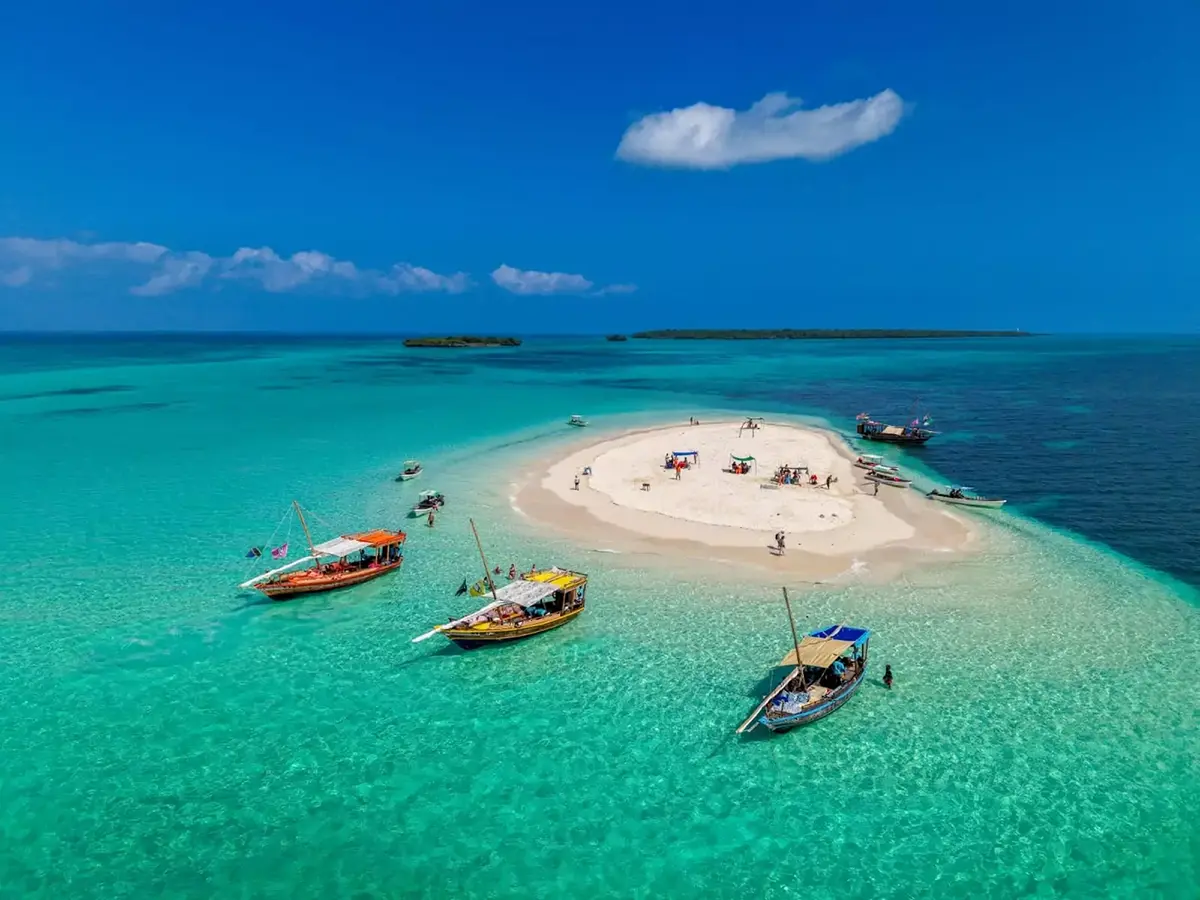
Jambiani is a long, low-rise fishing village on Zanzibar’s south-east coast, best suited to travellers who want a quiet beach base rather than nightlife. Its defining feature is the tide: twice a day the Indian Ocean pulls back across a wide, shallow lagoon, then returns to the shore. Understand that, and you’ll understand most of what makes a stay here different.
This guide covers what the village is like, who it suits (and who it doesn’t), what to do in and around Jambiani, and the practical details worth knowing before you book. It’s written with input from the Guest Relations team at Bamboo Zanzibar, which sits on this stretch of coast.
Jambiani at a Glance
| Where | South-east coast of Unguja, Zanzibar’s main island, just south of Paje |
| From the airport | Around one hour by private transfer (depending on flight times) |
| Best for | Couples, honeymooners, slow travellers, anyone who wants rest with a few well-chosen outings |
| Less suited to | Nightlife seekers, or anyone who wants deep water in front of the beach at every hour |
| Driest months | Broadly June–October and December–February |
| Nearby | Paje, Kuza Cave, Jozani Chwaka Bay National Park |
What Jambiani Feels Like
Jambiani isn’t a resort strip. It’s a working village that happens to face one of the island’s most striking stretches of coast. Fishing boats, seaweed plots, small shops, family homes and guesthouses sit side by side along several kilometres of shoreline, and village life carries on regardless of who is on holiday.
Compared with neighbouring Paje, the atmosphere is noticeably calmer. There are restaurants and things to arrange, but the real draw is simpler: open sand, warm water when the tide is in, long walks when it’s out, and evenings that don’t need a plan.
A few courtesies go a long way here. Ask before photographing people, cover shoulders and knees when walking through the village rather than along the beach, and favour experiences run by local guides.
[HOTEL TIP] Bamboo has a wonderful beach to swim at high tide. At low tide, you can walk out to enjoy the secrets of the ocean and see the seaweed farms that local women tend just a few metres from the hotel.
Yes, if you want calm
Jambiani works well for couples and honeymooners, for design-minded travellers and for anyone who wants to mix a couple of excursions with real rest. A morning beach walk, a long lunch and a massage can make a full day here.
Think twice if you want to swim at any hour
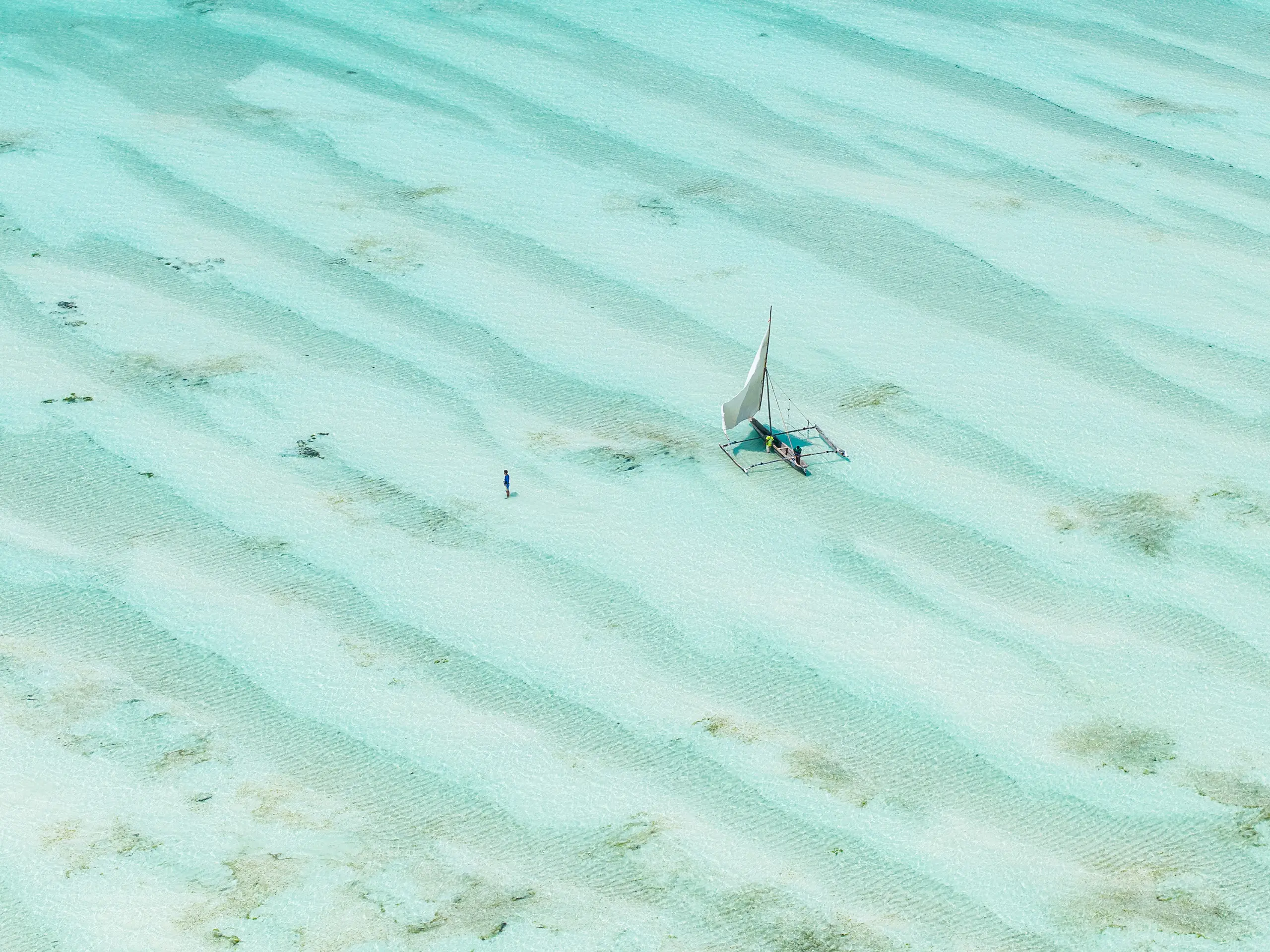
The east coast is strongly tidal. At low tide the sea can retreat a long way, leaving sandbanks and shallow pools rather than swimmable water. That’s part of the landscape, not a fault, but if you want to step straight into deep water at any time of day, the north of the island may suit you better. A good pool makes a real difference on this coast.
Consider Paje if nightlife or kitesurfing comes first
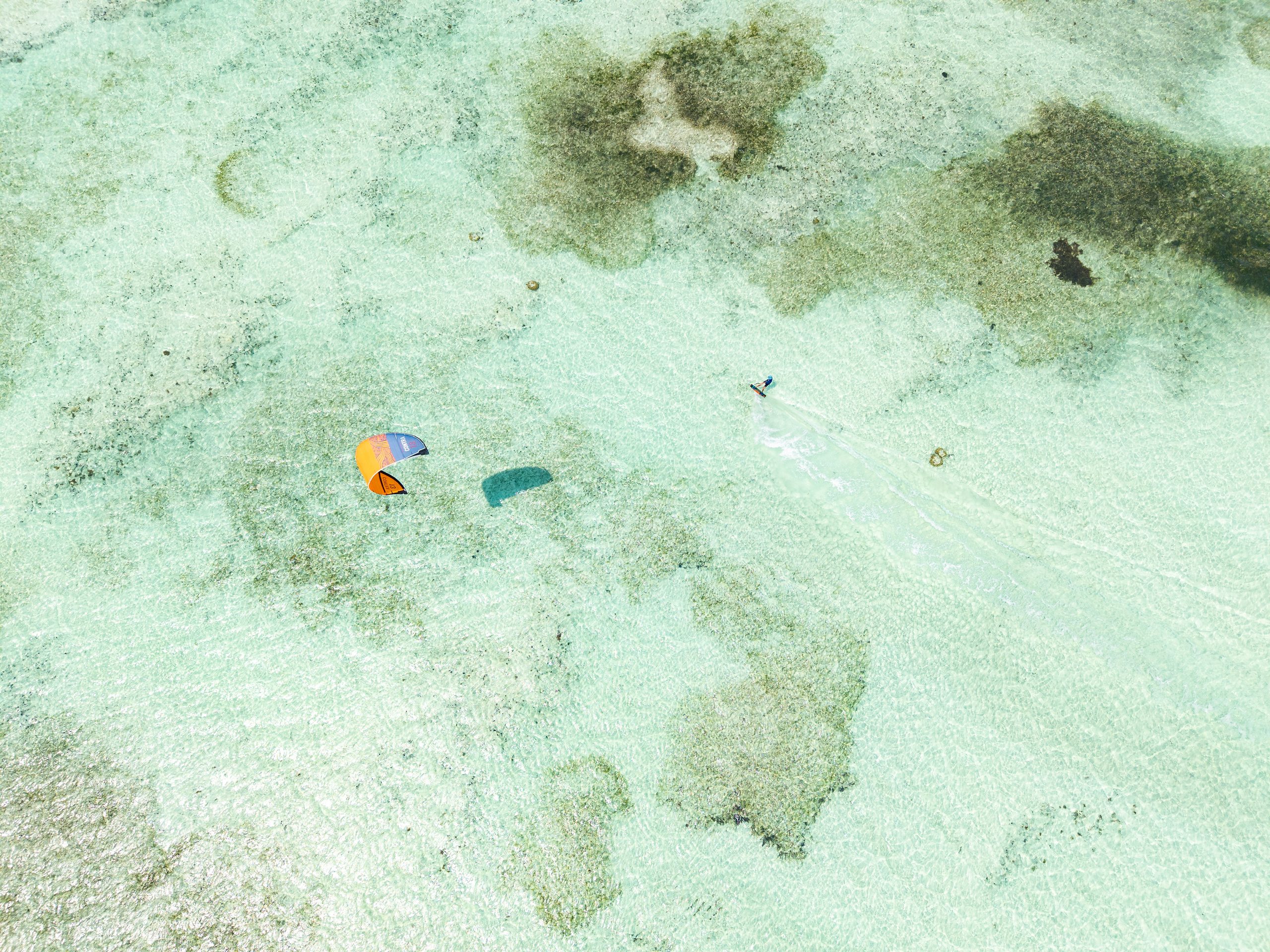
Paje, a short drive north, has more bars, restaurants and kitesurfing schools. Many people staying in Jambiani visit Paje for an evening or a lesson and are happy to come back to somewhere quieter.
[Link to Jambiani vs Paje article once published]
Things to Do in and Around Jambiani
Walk the beach at both tides
The same stretch of coast looks completely different at high and low tide. At high tide the water comes right up to the sand. At low tide sandbanks, tidal pools and the seaweed plots of the lagoon appear. Try to see both.
Walk early or late to avoid the strongest sun, wear something on your feet for the lagoon and keep an eye on the incoming tide, which can return faster than expected.
[HOTEL TIP] You can get information regarding the exact tide times at reception or by asking our Guest Relations team, who will keep you informed during your stay. The hotel provides reef shoes, and you can also get your own at the hotel boutique.
Learn how seaweed farming works
Seaweed farming is an important livelihood along Zanzibar’s east coast, and women do much of the work. At low tide you’ll see the cultivation lines laid out across the lagoon.
These are workplaces, so don’t wander through the plots or photograph the farmers without asking. The best way to understand the work is with a local guide or a community-run visit that explains how seaweed is grown, what it becomes and the pressures farmers face as sea temperatures rise. Where you can, buy seaweed soaps or other products directly from the people who make them.
Visit Kuza Cave
Kuza Cave, a limestone cave with a natural freshwater pool in Jambiani, is one of the village’s best-known sights. It’s run as a cultural centre, and visits often include Swahili storytelling and traditional music alongside a swim. The hotel recommends this very interesting excursion and can arrange the transfers for you.
See red colobus monkeys at Jozani Forest
Jozani Chwaka Bay National Park, Zanzibar’s only national park, is within easy day-trip distance of the south-east coast. It’s the best place to see the endemic Zanzibar red colobus monkey, and guided walks also take in the mangrove boardwalk. A half-day visit fits comfortably around a beach stay, and the hotel can provide transfers.
Get on the water, responsibly
Depending on season and conditions, ocean options include snorkelling, sailing and sunset trips on a traditional dhow. Choose operators who keep groups small, provide proper safety equipment and don’t anchor on coral.
A note on dolphin trips. Boat trips to “swim with dolphins” leave from Kizimkazi, at the island’s southern tip. Where many boats crowd around one pod, the encounters can stress the animals. Bamboo does not recommend dolphin tours and does not sell them.
Bamboo’s Guest Relations team highly recommends excursions to the ocean or the sandbanks. Detailed information on all available activities can be found at the hotel reception.
Slow down properly
Jambiani’s pace makes it a natural fit for yoga, massage and simply doing very little. At Bamboo, the Bamboo Elements spa takes its inspiration from the five elements of wood, fire, earth, metal and water, with treatments and rituals built around rest and balance. A gentle practice, one treatment and a long lunch is a perfectly good day.
Eat what the island grows and catches
Zanzibari cooking draws on Swahili, Arab, Indian and wider Indian Ocean influences: coconut, spice, seafood, cassava and tropical fruit. Around Jambiani you’ll find both simple local food and more contemporary takes on island flavours.
Bamboo’s restaurant follows a seasonal, farm-to-table approach, with produce from local fishermen and farmers and from the hotel’s own permaculture garden. There’s no burger-and-fries menu; dishes follow what’s in season.
[HOTEL TIP] Dining hours at Bamboo’s restaurant run from 07:30 to 22:00.
Understanding the Tides (in Brief)
Tide times move later each day, so the beach will look different at the same hour throughout your stay. Check the tide each morning, plan swims and boat trips around high water, explore the lagoon at low water and use the pool in between. Never walk on the reef or pick up marine life.
[Link to full tides guide once published]
When to Visit Jambiani
Zanzibar is warm year-round. The Zanzibar Commission for Tourism identifies June to October as the main dry season, and December to February is also generally hot and fairly dry. The long rains usually fall from March to May, with shorter rains around November and December. These are patterns, not guarantees.
If beach time matters most, aim for the drier months. If you value space and lower demand, the shoulder periods can be rewarding, but check whether hotels or activities close seasonally.
[Link to “Best Time to Visit Jambiani” once published]
How Long to Stay
Three nights gives you a first impression. Four or five let you see the beach at different tides, fit in one or two outings and still have a day with nothing planned. Many travellers pair Jambiani with one or two nights in Stone Town for a contrast of city and coast.
Practical Tips Before You Go
- Travel insurance: Zanzibar requires visitors to buy a government-mandated inbound travel insurance policy. Check the current rules and price on the official portal before you travel. [CONFIRM current requirement and add official link]
- Cash: carry some Tanzanian shillings or US dollars. ATM service is available in Jambiani and Paje villages, or you can withdraw cash at the airport or in Stone Town.
- Connectivity: a local SIM or eSIM is cheap and useful for maps and messaging.
- Arrival: book your airport transfer in advance, especially for evening flights.
- Sun and sea: bring a hat, reef-safe sunscreen, a refillable bottle and something to wear on your feet in the lagoon.
- Dress and respect: cover up in the village, and ask before taking photos of people or their work.
- Ramadan: if your trip falls during Ramadan, the village rhythm changes. Avoid eating, drinking or smoking in public areas of the village during daylight, and dress modestly.
- Flexibility: leave room in your plans for weather, tides and rest.
Staying at Bamboo Zanzibar
Bamboo Zanzibar is a contemporary, design-led hotel on the beachfront at Mfumbwi, in Jambiani. Natural light, open air, gardens and the shifting water shape both the architecture and the way the days unfold.
Rooms are chosen as much by mood as by size:
- Villa in the Jungle for privacy and greenery, with a private 360-degree pool, jacuzzi and veranda.
- Ocean View Signature Rooms for the horizon, with panoramic Indian Ocean views, a private terrace and a private plunge pool.
- Rondo Garden Bungalows for an easy garden setting near the pool, restaurant and spa, sharing a pool and lounge with a small group of bungalows.
Between the infinity pool, beach lounge, spa and restaurant, many guests find the hotel part of the destination itself, especially on low-tide afternoons. See the full accommodation details for current room features.
Planning a stay around the tides? Ask our Guest Relations team what the water will be doing on your dates and which experiences suit your trip.
Frequently Asked Questions
Is Jambiani worth visiting?
Yes, if you want a quieter beach base with real village life and a slower pace. It’s less suited to travellers whose priority is nightlife or swimming in deep water straight from the beach at any hour.
Is Jambiani good for couples?
Very. The calm atmosphere, long beach walks, spa options and private dining make it a strong choice for couples and honeymooners.
Can you swim at Jambiani Beach?
Yes, around high tide. At low tide the water can recede a long way. Check daily tide times and ask locally about conditions.
How far is Jambiani from Zanzibar Airport?
Around one hour by private transfer, depending on traffic and road conditions.
Is Jambiani better than Paje?
Neither is better overall. Jambiani suits travellers who want calm. Paje suits those who want more bars, restaurants and kitesurfing. They’re close enough to combine.
Written with the Bamboo Zanzibar Guest Relations team · Last updated October 2026